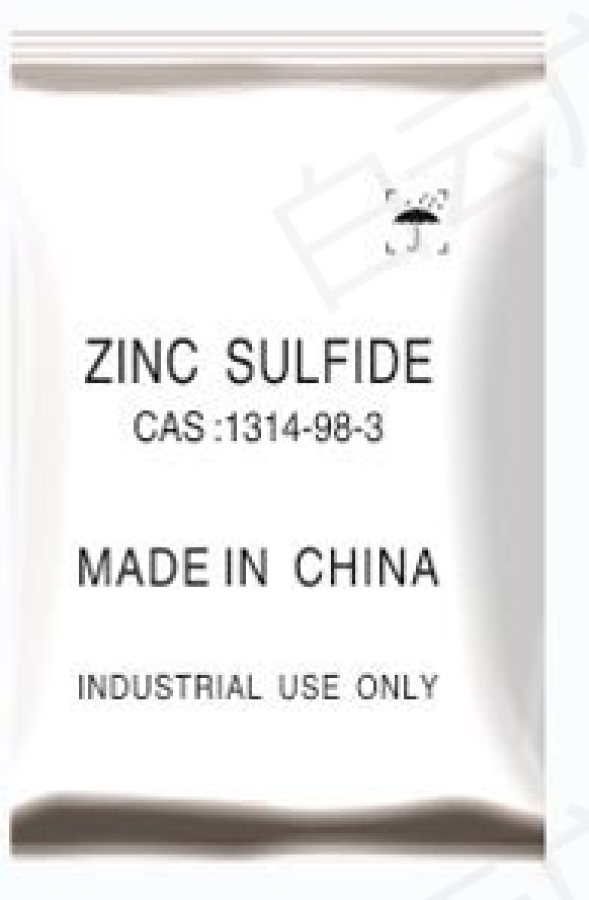
Zinc Sulfide
(1) Industrial and Materials Field
Pigments and Coatings As a white pigment (commonly known as “lithopone” or “zinc baryta white”), when mixed with barium sulfate, it exhibits strong covering power and excellent lightfastness, making it widely used in paints, inks, rubber, and plastic coloring.
Advantages: Non-toxic (compared to traditional lead white pigments), low cost, and suitable for both indoor and outdoor building materials.
Semiconductors and Optical Materials Optoelectronic Devices: As a II-VI group semiconductor material, it is used in ultraviolet (UV) detectors, light-emitting diodes (LEDs), laser diodes, etc., particularly in short-wavelength optoelectronic applications such as UV communication and sterilization devices.
Phosphor Materials: When doped with activators (e.g., Cu, Ag, Mn), it can be made into phosphors for cathode ray tubes (CRTs), fluorescent lamps, and luminescent materials (e.g., watch dials, safety signs), emitting various colors of fluorescence (e.g., blue, green) under UV or electron beam excitation.
Ceramics and Glass When added to ceramic glazes, it enhances the whiteness and gloss of the surface. In glass manufacturing, it improves light transmittance and chemical stability.
Rubber and Plastic Additives As a vulcanization accelerator, it speeds up the rubber curing process and enhances the wear resistance and anti-aging properties of rubber products. When added to plastics, it improves weather resistance and mechanical strength.
(2) Pharmaceutical and Cosmetics Field
Pharmaceutical Excipients In medicine, it serves as a lubricant and anti-adherent in the preparation of tablets and capsules, improving drug processing performance.
In some topical formulations, the antibacterial properties of zinc sulfide can aid in treating acne (by inhibiting bacterial growth and reducing sebum secretion), but its potential irritation requires use under medical supervision.
Cosmetic Additives Due to its optical properties, it is added to sunscreens as a physical UV-blocking agent (reflecting ultraviolet rays). However, due to its strong oil-absorbing nature, zinc oxide or titanium dioxide are more commonly used today.
In some whitening products, its covering power can temporarily improve skin tone, though it is not a mainstream ingredient.
(3) Other Applications
Catalyst Support Owing to its stable chemical properties and high surface area, it can serve as a catalyst support (e.g., for hydrogenation or desulfurization reactions), loaded with active metal components (e.g., Ni, Mo).
Mineral Processing and Metallurgy As a primary component of zinc ore, it is purified via flotation for zinc smelting. In hydrometallurgy, zinc sulfide can remove heavy metal ions (e.g., copper, cadmium) from solutions.
Research and Laboratory Use As a standard material for X-ray diffraction (XRD) and spectroscopic analysis, or as a teaching model for studying crystal structures and semiconductor properties.
「Product quality」:
Comply with GB/T31194-2014
「Molecular Formula」:
ZnS
「Molecular Weight」:
97.445
「EINECS」:
215-521-3
「CAS No.」:
1314-98-3
E-mail:
kehui.xu@gmail.com
Phone:
+86-15810661525
Technique Request
| Items | Index | |||
|---|---|---|---|---|
| Premium Grade | First Grade | Qualified Grade | ||
| Zinc sulfide (ZnS) (dry basis) | w/% ≥ | 99.8 | 99.5 | 99.0 |
| Iron (Fe) (dry basis) | mg/kg ≤ | 0.2 | 0.6 | 1 |
| Lead (Pb) (dry basis) | mg/kg ≤ | 0.3 | 1.0 | 2 |
| Copper (Cu) (dry basis) | mg/kg ≤ | 0.2 | 0.5 | 1 |
| Nickel (Ni) (dry basis) | mg/kg ≤ | 0.1 | 0.3 | 1 |
| Manganese (Mn) (dry basis) | mg/kg ≤ | 0.1 | 0.5 | 1 |
| Cadmium (Cd) (dry basis) | mg/kg ≤ | 0.1 | 0.5 | 1 |
| Sulfate (calculated as SO₄)(dry basis) | mg/kg ≤ | 0.10 | 0.20 | 0.30 |
| Loss on drying (LOD) | w/% ≤ | 0.2 | ||
| Bulk density/(g/cm³) | 0.2 | |||
| Particle size (Dso)/(μm) | 0.2 | |||
Product Inquiry
If you need other services, please call the service hotline, phone/wechat/WhatsApp:+86-15810661525
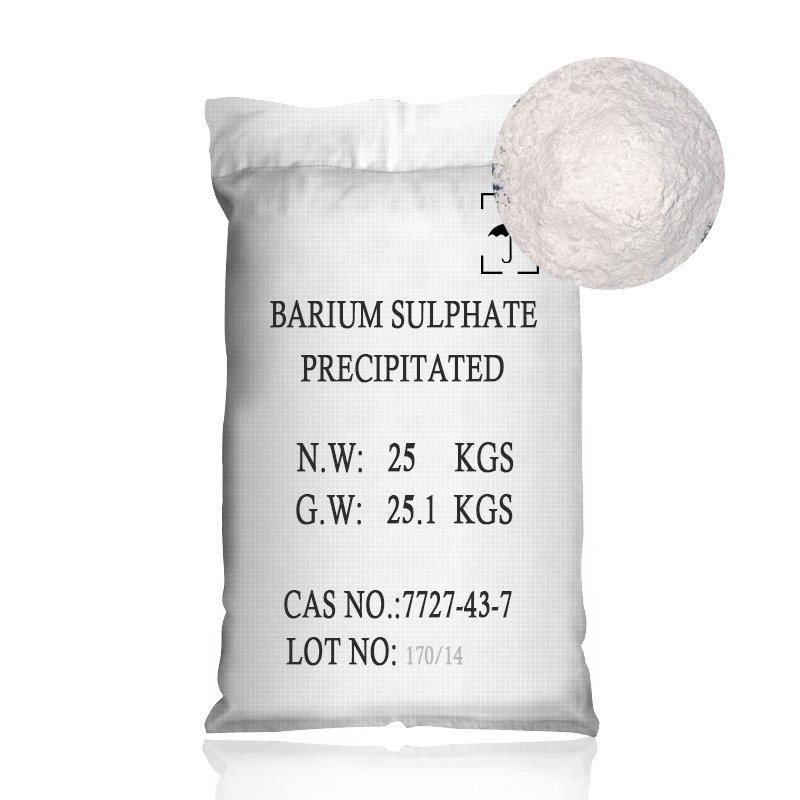
It is filler of paint, printing ink, rubber, plastic and insulating tape, also used in pigment, ceramics, accumulator cell, enamelware, glass and spice, and other industry.
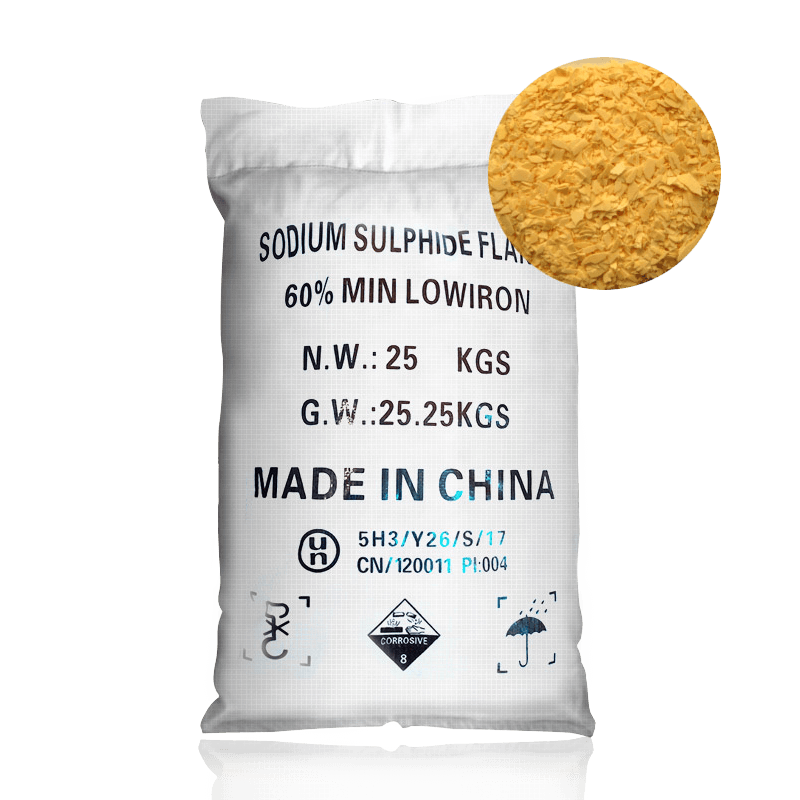
Dye industry Produce sulfur dye, the raw material of sulfur black and sulfur blue.
Printing industry: Dyeing agent of dissoluting sulfur dye.
Leather industry: Make sodium polysulfide.
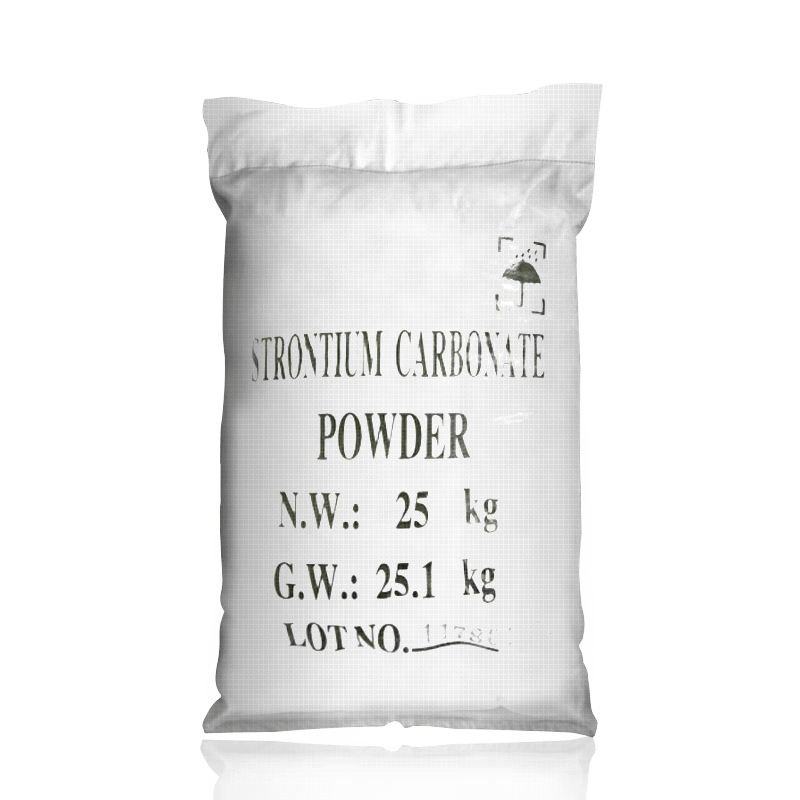
Mainly used for color kinescope glass shell, magnetic mater ials, glass ,ceramics, fireworks, metallurgy machine he strontium salt raw material etc.
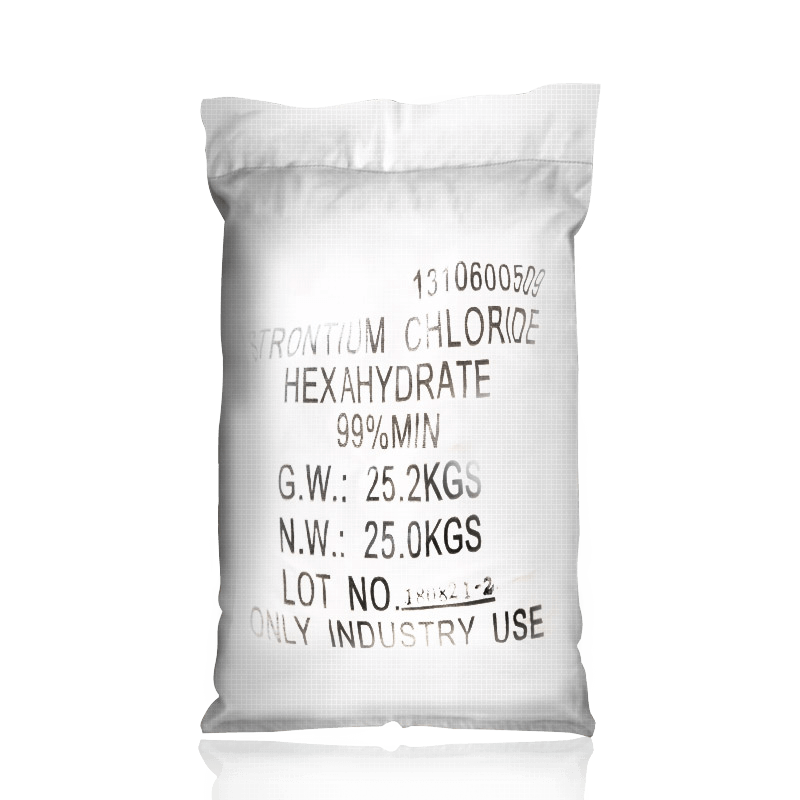
It is raw material for manufacture of strontium salts and pigment. It is used in manufacture of fireworks, glass making. metallurgy industry.
Strontium hydroxide is widely used in the refining and processing of beet sugar in Europe. It forms an insoluble
disaccharide salt, which is separated and refined. When carbon dioxide is introduced, the sugar is released and insoluble
strontium carbonate is generated;
Excipients used for ceramic coatings and optical glass are used in the manufacturing of various electronic components such as electronic
ceramics, PTC thermistors, capacitors etc.
Excipients used for ceramic coatings and optical glass are used in the manufacturing of various electronic components such as electronic
ceramics, PTC thermistors capacitors, etc, Analyze iron in calcium, magnesium, manganese, and zinc.