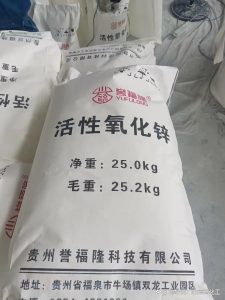
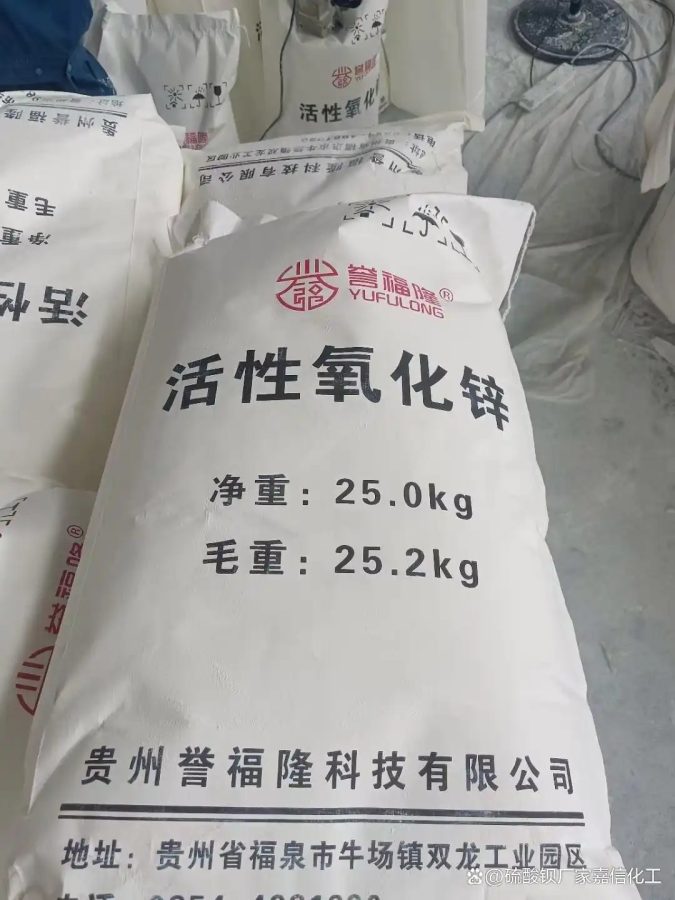
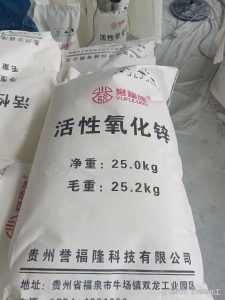
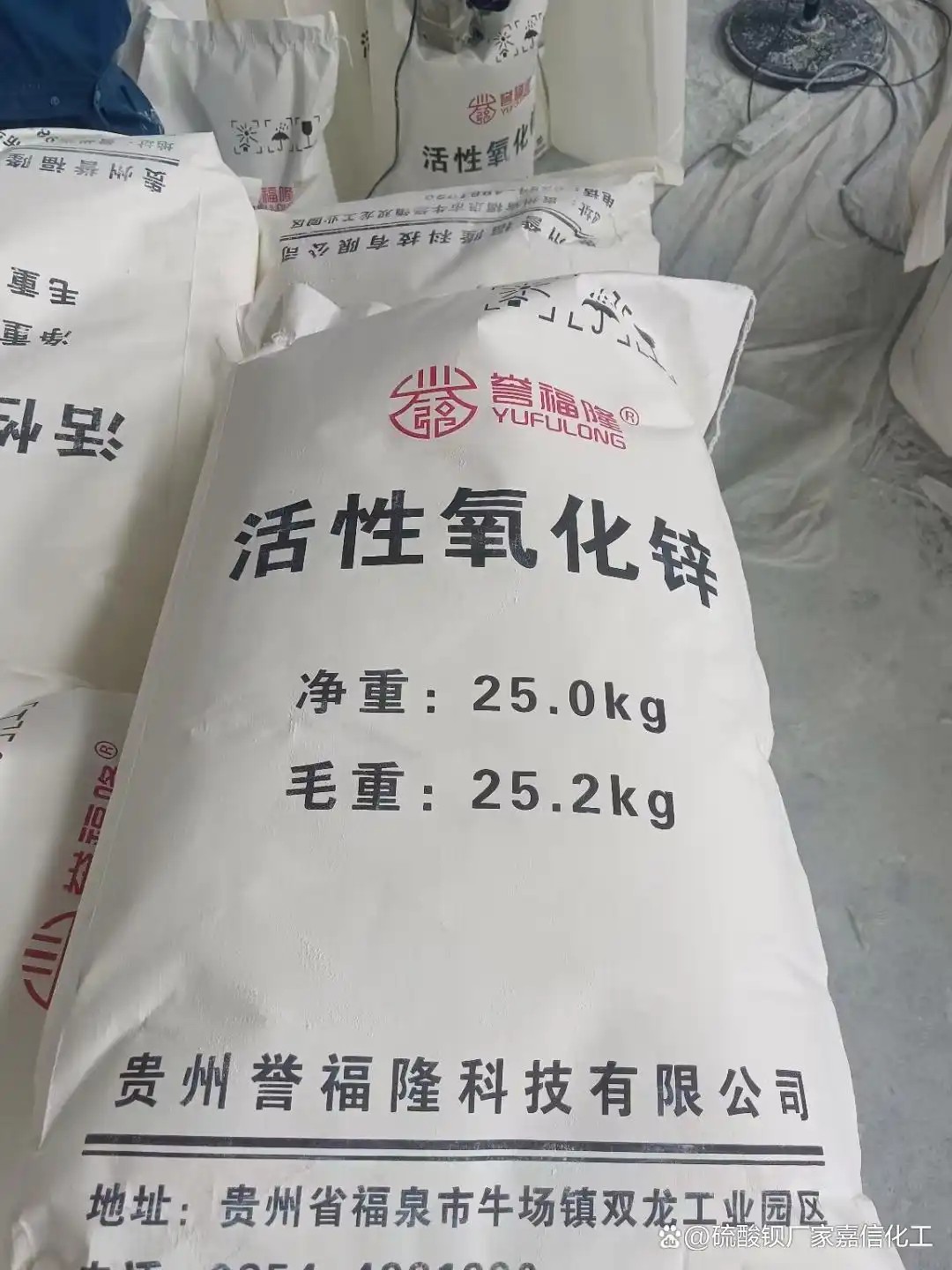
Zinc Oxide
Efficacy and Applications of Zinc Oxide
(1) Medical and Healthcare Applications
Skincare and Topical Medications
-
Sunscreen agent: Acts as a physical UV blocker, reflecting and scattering UVB and partial UVA rays. Widely used in sunscreens and primers due to its safety, especially for sensitive skin and children.
-
Astringent and antibacterial effects: Used in diaper rash creams, eczema treatments, and acne products to absorb excess moisture and inhibit bacterial growth (via zinc ions).
-
Wound healing: Zinc oxide ointments protect wounds (e.g., burns, minor cuts) by reducing friction and promoting tissue repair.
Pharmaceutical Excipients & Nutritional Supplements
-
Used as a tablet binder/diluent or in toothpaste for antibacterial and anti-cavity effects.
-
Zinc is an essential trace element; ZnO serves as a zinc supplement (oral formulations), but excessive intake may cause nausea/vomiting.
(2) Industrial and Material Applications
Rubber Industry
-
Acts as a vulcanization accelerator, enhancing rubber’s elasticity, abrasion resistance, and aging resistance (used in tires, hoses, seals).
Coatings and Pigments
-
White pigment (lower opacity than TiO₂ but better weather resistance), used in anti-corrosion/marine coatings for its antimicrobial and anti-algae properties.
-
Improves scrub resistance in water-based paints.
Electronics & Semiconductors
-
Varistors: ZnO-based varistors (doped with Bi, Co, etc.) are used in surge protectors due to their nonlinear voltage-current response.
-
Optoelectronic devices: Applied in UV LEDs, gas sensors (e.g., CO, H₂S), and transparent conductive films (AZO: Al-doped ZnO) for touchscreens and solar cells.
Ceramics and Glass
-
Enhances glaze gloss and thermal stability in ceramics; acts as a flux in glassmaking to lower melting points and improve clarity.
(3) Cosmetics and Personal Care
-
Foundation/powders: Used as a filler and whitening agent to even out skin tone.
-
Oil control: Absorbs excess sebum in mattifying products.
-
Oral care: Added to toothpaste for antibacterial effects and stability.
(4) Other Applications
-
Catalysts: Used in methanol synthesis, CO₂ hydrogenation, and desulfurization (often combined with Al₂O₃, CuO).
-
Agriculture & Animal Feed: Zinc supplement in fertilizers/feed to promote growth; fungicidal agent (e.g., Zineb).
-
Nanomaterials & Advanced Tech: Nano-ZnO is used in antibacterial coatings, photocatalysis (pollutant degradation), and energy storage (Li-ion battery anodes).
E-mail:
kehui.xu@gmail.com
Phone:
+86-15810661525
Detailed Introduction and Efficacy of Zinc Oxide
在此添加您的标题文本
I. Basic Information of Zinc Oxide
Chemical Composition
-
Chemical formula: ZnO, composed of zinc (Zn) and oxygen (O), with a molecular weight of 81.38 g/mol.
-
Crystal structure: Hexagonal wurtzite structure with polar surfaces. Naturally occurs as the mineral zincite, but is mostly synthesized industrially.
Physical Properties
-
Appearance: White powder at room temperature; turns yellow upon heating and reverts to white upon cooling. Pure crystals are colorless and transparent.
-
Density: 5.606 g/cm³; melting point ~1975°C; boiling point 2360°C; exhibits excellent thermal stability.
-
Solubility: Insoluble in water, but soluble in acids (e.g., hydrochloric acid, sulfuric acid) and strong alkaline solutions, forming corresponding zinc salts.
Chemical Properties
-
Amphoteric oxide: Reacts with both acids and bases.
-
With acid: ZnO + 2HCl → ZnCl₂ + H₂O
-
With alkali: ZnO + 2NaOH + H₂O → Na₂[Zn(OH)₄]
-
-
Optical properties: Wide-bandgap semiconductor (bandgap 3.37 eV), strong UV absorption, and exhibits piezoelectric and fluorescent properties (enhanced when doped).
-
Catalytic activity: Rich in oxygen vacancies and hydroxyl groups on its surface, making it effective in catalyzing various reactions (e.g., methanol synthesis, CO oxidation).
II. Preparation Methods of Zinc Oxide
Direct (American) Process
-
Raw materials: Zinc ores (e.g., sphalerite) are roasted to produce zinc oxide, or zinc vapor is oxidized in air.
-
Reactions:
-
2ZnS + 3O₂ → 2ZnO + 2SO₂ (roasting)
-
2Zn + O₂ → 2ZnO (vapor oxidation)
-
Indirect (French) Process
-
High-purity zinc is vaporized and oxidized to produce ZnO with purity exceeding 99.5%.
Wet Chemical Methods
-
Precipitation method: Zinc salt solutions (e.g., zinc nitrate) react with bases (e.g., NaOH, ammonia) to form zinc hydroxide, which is then calcined to yield ZnO.
-
Zn²⁺ + 2OH⁻ → Zn(OH)₂↓
-
Zn(OH)₂ → ZnO + H₂O (calcination)
-
-
Sol-gel method: Produces nano-sized ZnO with controlled particle size, suitable for advanced materials.
III. Efficacy and Applications of Zinc Oxide
(1) Medical and Healthcare Applications
Skincare and Topical Medications
-
Sunscreen agent: Acts as a physical UV blocker, reflecting and scattering UVB and partial UVA rays. Widely used in sunscreens and primers due to its safety, especially for sensitive skin and children.
-
Astringent and antibacterial effects: Used in diaper rash creams, eczema treatments, and acne products to absorb excess moisture and inhibit bacterial growth (via zinc ions).
-
Wound healing: Zinc oxide ointments protect wounds (e.g., burns, minor cuts) by reducing friction and promoting tissue repair.
Pharmaceutical Excipients & Nutritional Supplements
-
Used as a tablet binder/diluent or in toothpaste for antibacterial and anti-cavity effects.
-
Zinc is an essential trace element; ZnO serves as a zinc supplement (oral formulations), but excessive intake may cause nausea/vomiting.
(2) Industrial and Material Applications
Rubber Industry
-
Acts as a vulcanization accelerator, enhancing rubber’s elasticity, abrasion resistance, and aging resistance (used in tires, hoses, seals).
Coatings and Pigments
-
White pigment (lower opacity than TiO₂ but better weather resistance), used in anti-corrosion/marine coatings for its antimicrobial and anti-algae properties.
-
Improves scrub resistance in water-based paints.
Electronics & Semiconductors
-
Varistors: ZnO-based varistors (doped with Bi, Co, etc.) are used in surge protectors due to their nonlinear voltage-current response.
-
Optoelectronic devices: Applied in UV LEDs, gas sensors (e.g., CO, H₂S), and transparent conductive films (AZO: Al-doped ZnO) for touchscreens and solar cells.
Ceramics and Glass
-
Enhances glaze gloss and thermal stability in ceramics; acts as a flux in glassmaking to lower melting points and improve clarity.
(3) Cosmetics and Personal Care
-
Foundation/powders: Used as a filler and whitening agent to even out skin tone.
-
Oil control: Absorbs excess sebum in mattifying products.
-
Oral care: Added to toothpaste for antibacterial effects and stability.
(4) Other Applications
-
Catalysts: Used in methanol synthesis, CO₂ hydrogenation, and desulfurization (often combined with Al₂O₃, CuO).
-
Agriculture & Animal Feed: Zinc supplement in fertilizers/feed to promote growth; fungicidal agent (e.g., Zineb).
-
Nanomaterials & Advanced Tech: Nano-ZnO is used in antibacterial coatings, photocatalysis (pollutant degradation), and energy storage (Li-ion battery anodes).
IV. Safety and Precautions
-
Health hazards: Inhalation of ZnO dust may cause respiratory irritation or “metal fume fever” (fever, cough); oral overdose may lead to zinc toxicity.
-
Protective measures: Use dust masks; avoid eye/skin contact; store away from strong acids/bases.
-
Environmental impact: Low water solubility minimizes ecological harm, but nano-ZnO toxicity to aquatic life requires further study.
Product Inquiry
If you need other services, please call the service hotline, phone/wechat/WhatsApp:+86-15810661525
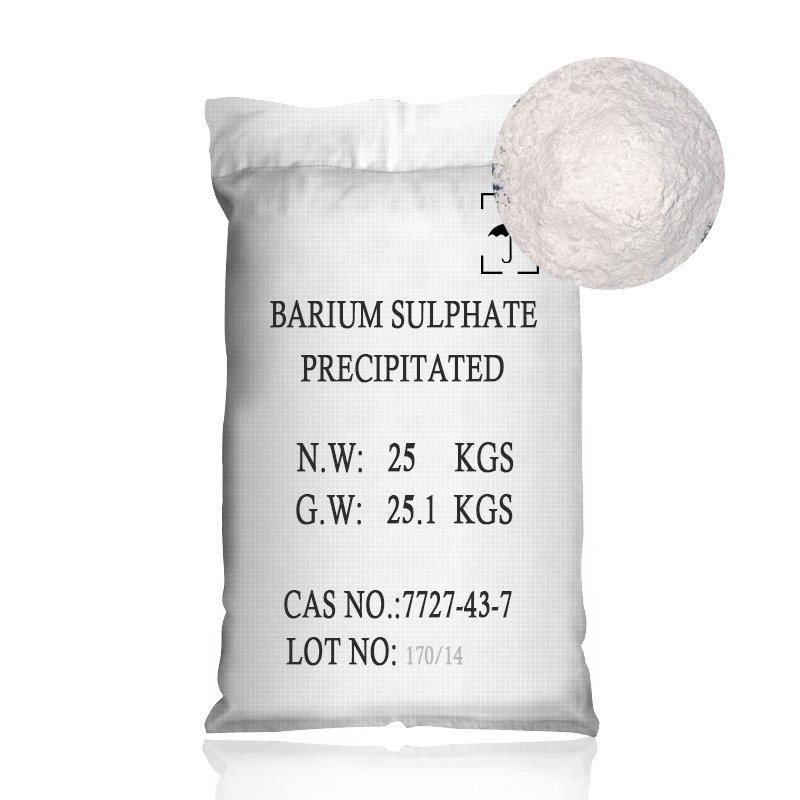
It is filler of paint, printing ink, rubber, plastic and insulating tape, also used in pigment, ceramics, accumulator cell, enamelware, glass and spice, and other industry.
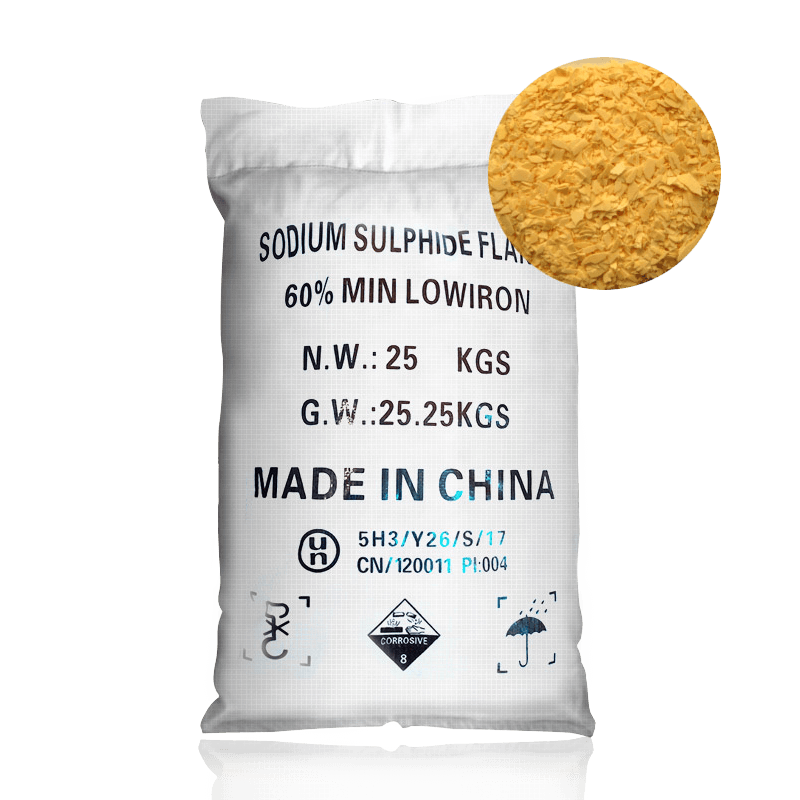
Dye industry Produce sulfur dye, the raw material of sulfur black and sulfur blue.
Printing industry: Dyeing agent of dissoluting sulfur dye.
Leather industry: Make sodium polysulfide.
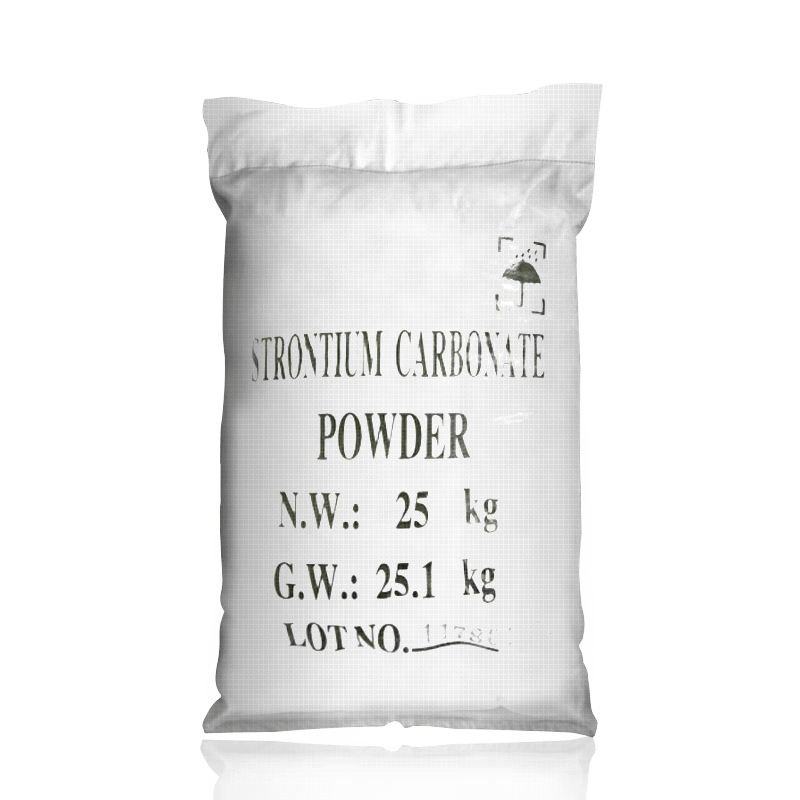
Mainly used for color kinescope glass shell, magnetic mater ials, glass ,ceramics, fireworks, metallurgy machine he strontium salt raw material etc.
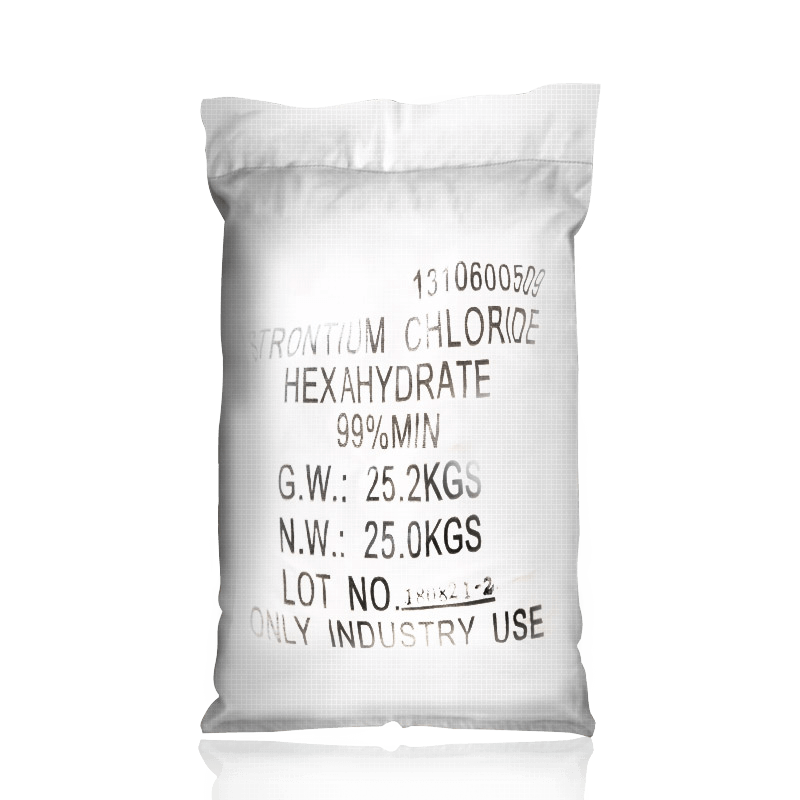
It is raw material for manufacture of strontium salts and pigment. It is used in manufacture of fireworks, glass making. metallurgy industry.
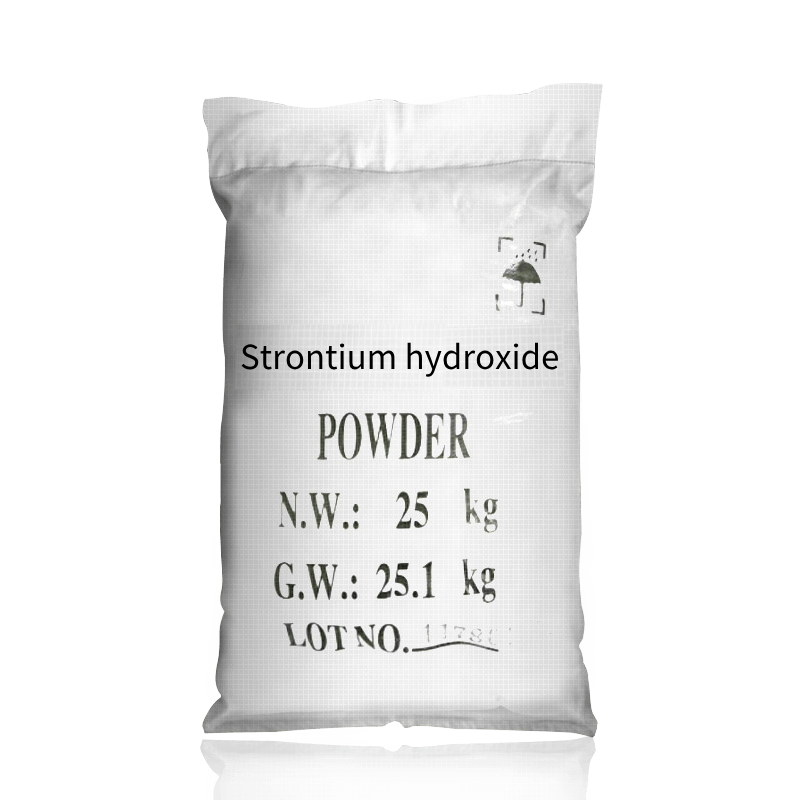
Strontium hydroxide is widely used in the refining and processing of beet sugar in Europe. It forms an insoluble
disaccharide salt, which is separated and refined. When carbon dioxide is introduced, the sugar is released and insoluble
strontium carbonate is generated;
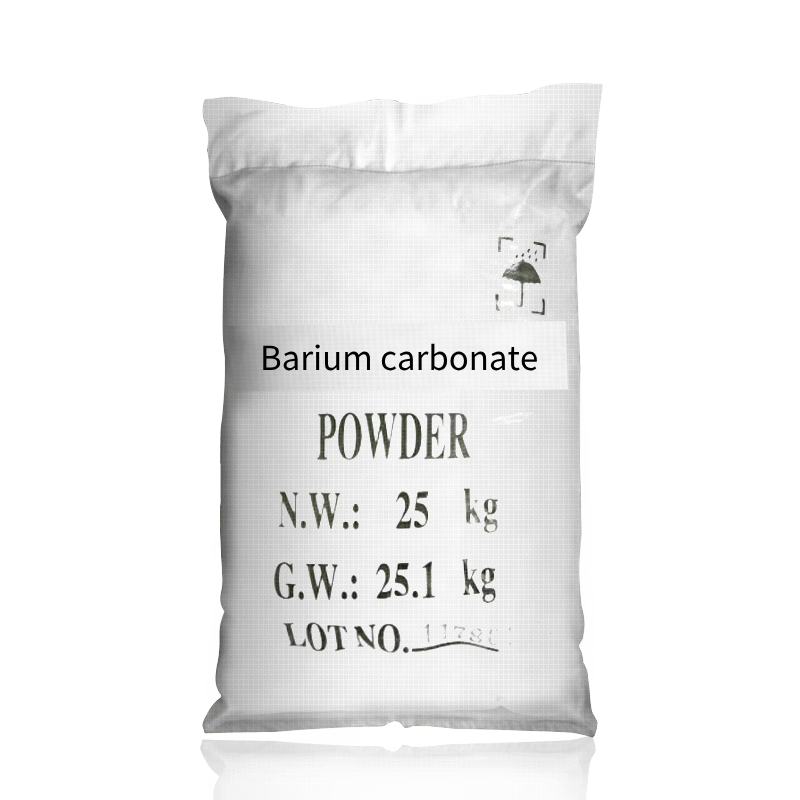
Excipients used for ceramic coatings and optical glass are used in the manufacturing of various electronic components such as electronic
ceramics, PTC thermistors, capacitors etc.
Excipients used for ceramic coatings and optical glass are used in the manufacturing of various electronic components such as electronic
ceramics, PTC thermistors capacitors, etc, Analyze iron in calcium, magnesium, manganese, and zinc.