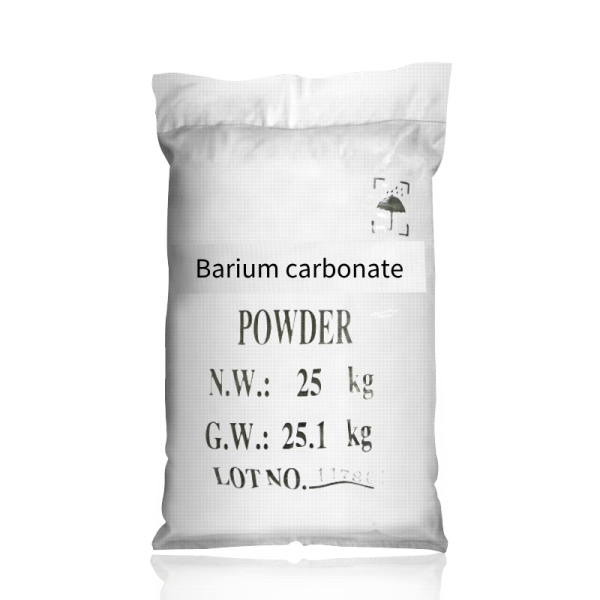
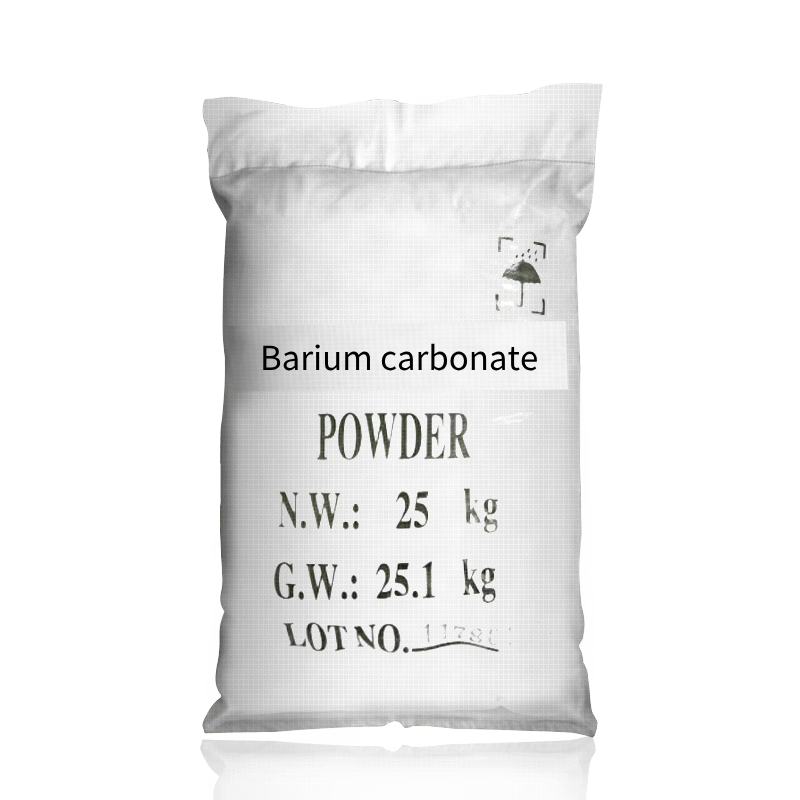
Barium carbonate
「Performance Characteristics」:
Barium carbonate,chemical formula BaCO3,molecular weight 197.336. White powder. It is insoluble in water, with a density of 4.43g/cm3
and a melting point of 881℃. Decompose at 1450℃ to release carbon dioxide. Slightly soluble in water containing carbon dioxide, also
soluble in ammonium chloride or ammonium nitrate solution to form complexes, soluble in hydrochloric acid and nitric acid to release carbon dioxide.
「Function」:
Excipients used for ceramic coatings and optical glass are used in the manufacturing of various electronic components such as electronic
ceramics, PTC thermistors, capacitors etc. Analyze iron in calcium, magnesium, manganese, and zinc. Verification and determination of
halogens in organic compounds. Used for making barium salts, pigments, fireworks, rodenticide pottery, and as fillers and water clarifiers.
Used for catalysts. The production of electronic ceramics and purified water, as Well as the production of pigments, coatings, or other
barium salts for the production of optical glass, barium magnetic materials, etc., are important chemical raw materials for the production of
picture tube glass shells, magnetic materials, and advanced optical glass. Treating excessive sulfate ions in chromium plating electrolyte can
also be used in white passivation solution of zinc plating layer, and can slso be used to treat wastewater.
「Product quality」:
Comply with HG/1614-2011
「Molecular Formula」:
BaCO3
「Molecular Weight」:
197.336
「EINECS」:
208-167-3
「CAS No.」:
513-77-9
E-mail:
kehui.xu@gmail.com
Phone:
+86-15810661525
Technique Request
| Items | Index | |||
|---|---|---|---|---|
| Premium Grade | First Grade | Qualified Grade | ||
| Main content (calculated as BaCO₂) | w/% ≥ | 99.2 | 99.0 | 98.5 |
| Strontium Carbonate(SrCO₃) | w/% ≤ | 0.4 | 1.0 | 2.0 |
| Water content | w/% ≤ | 0.3 | 0.3 | 0.3 |
| Ignition residue of hydrochloric acid insolubles | w/% ≤ | 0.1 | 0.2 | 0.4 |
| Chloride (calculated as Cl) | w/% ≤ | 0.01 | – | – |
| Total sulfur (calculated as SO₄) | w/% ≤ | 0.25 | 0.35 | 0.45 |
| Iron(Fe) | w/% ≤ | 0.001 | 0.003 | 0.005 |
| Sodium(Na) | w/% ≤ | 0.1 | 0.15 | 0.3 |
| Finenessᵃ(Powder residue on 125μm test sieve) | w/% ≤ | 0.2 | 0.3 | 0.5 |
| Finenessᵃ (Granular sieve residue) | The solution shall be determined through user negotiation. | |||
| For powder products used in ceramic capacitors, the fineness shall meet: residue on 45μm sieve ≤1%. | ||||
Product Inquiry
If you need other services, please call the service hotline, phone/wechat/WhatsApp:+86-15810661525
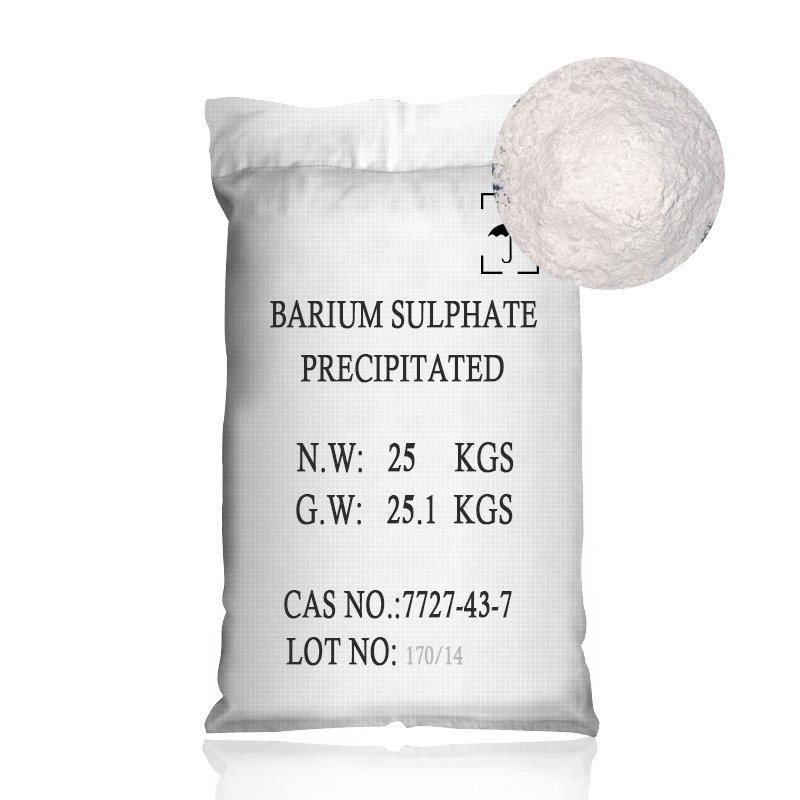
It is filler of paint, printing ink, rubber, plastic and insulating tape, also used in pigment, ceramics, accumulator cell, enamelware, glass and spice, and other industry.
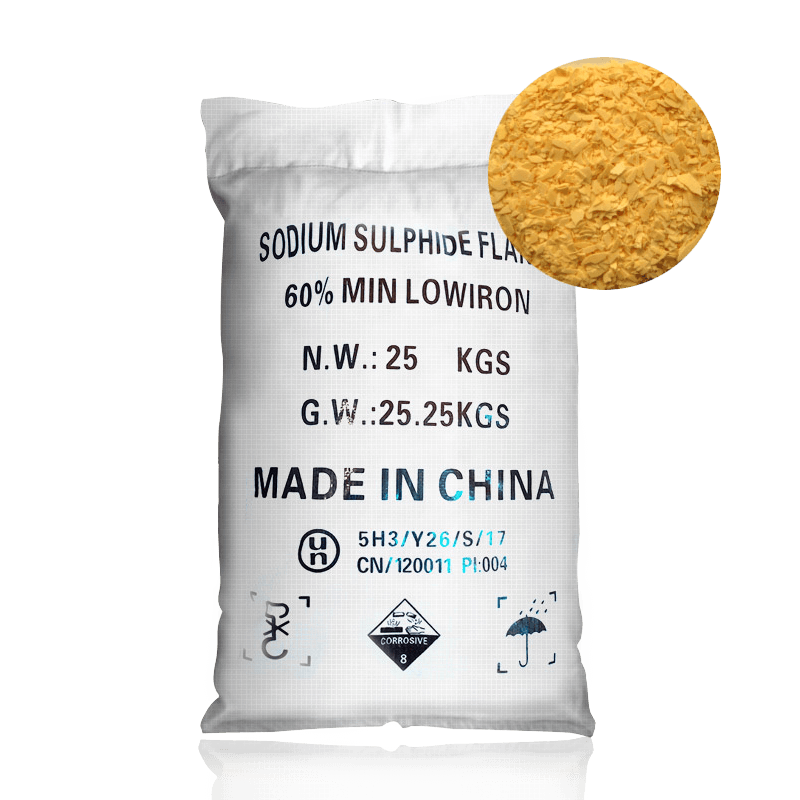
Dye industry Produce sulfur dye, the raw material of sulfur black and sulfur blue.
Printing industry: Dyeing agent of dissoluting sulfur dye.
Leather industry: Make sodium polysulfide.
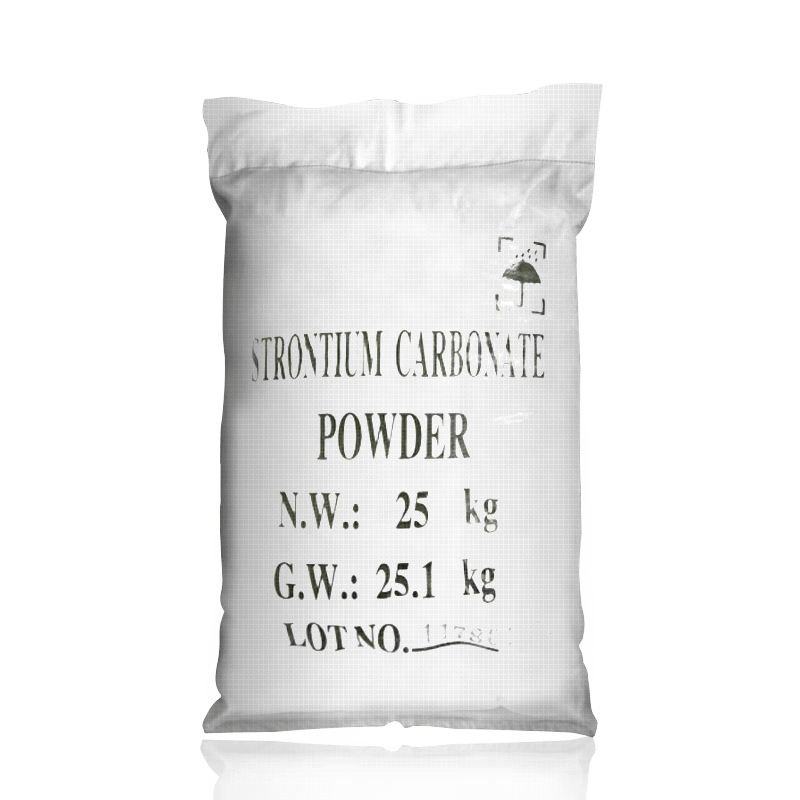
Mainly used for color kinescope glass shell, magnetic mater ials, glass ,ceramics, fireworks, metallurgy machine he strontium salt raw material etc.
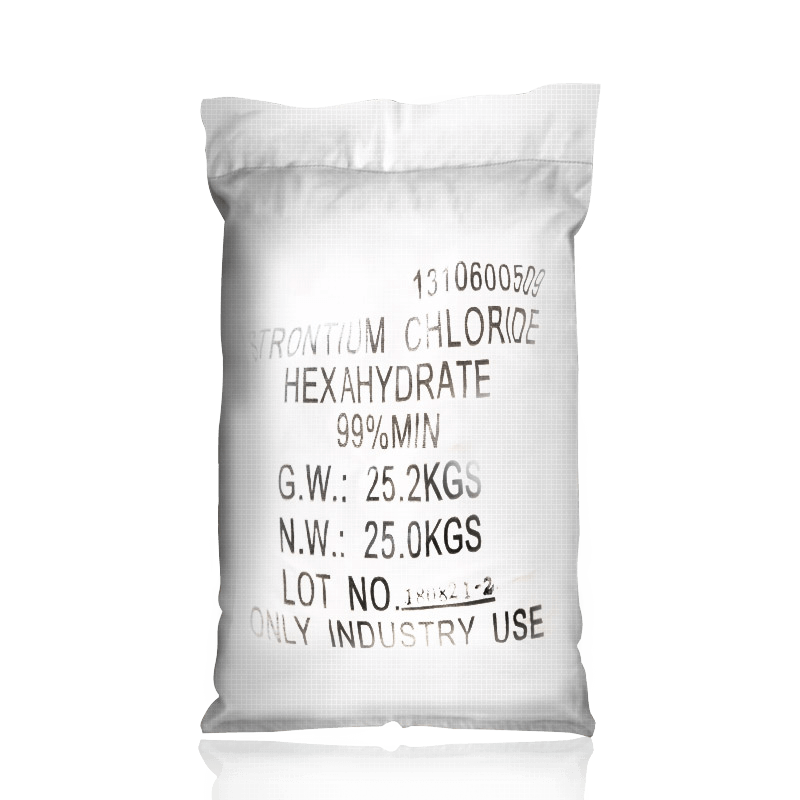
It is raw material for manufacture of strontium salts and pigment. It is used in manufacture of fireworks, glass making. metallurgy industry.
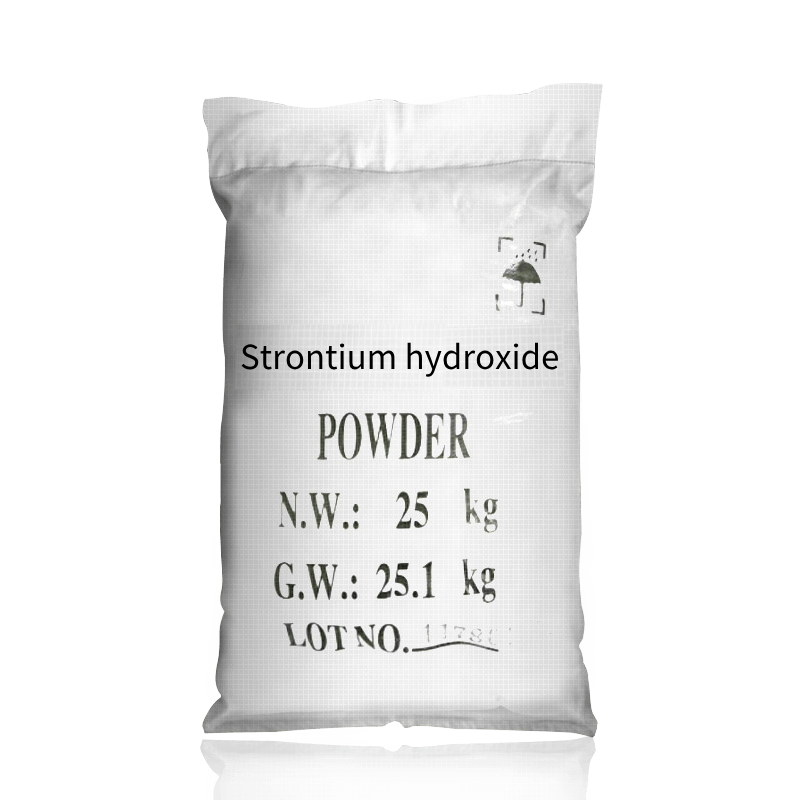
Strontium hydroxide is widely used in the refining and processing of beet sugar in Europe. It forms an insoluble
disaccharide salt, which is separated and refined. When carbon dioxide is introduced, the sugar is released and insoluble
strontium carbonate is generated;
Excipients used for ceramic coatings and optical glass are used in the manufacturing of various electronic components such as electronic
ceramics, PTC thermistors, capacitors etc.
Excipients used for ceramic coatings and optical glass are used in the manufacturing of various electronic components such as electronic
ceramics, PTC thermistors capacitors, etc, Analyze iron in calcium, magnesium, manganese, and zinc.